
Whoa!
I fumbled for a thin plastic card at a coffee counter last week. My thumb brushed NFC, not a screen. That little gesture felt oddly liberating, like switching from a bulky briefcase to a slim front-pocket wallet. Honestly, my first thought was: why didn’t I try this sooner?
Wow!
I’ve been messing with hardware wallets for years. They can be finicky, fiddly, and frankly over-engineered sometimes. My instinct said a card-based approach would be too simple to be secure, but then reality pushed back—hardware doesn’t have to be huge to be robust. Initially I thought bigger = safer, but then realized that isolated secure elements in a credit-card form factor can actually reduce attack surface if designed well.
Seriously?
Yes, seriously. Card wallets use secure chips with private keys isolated from phone memory. That separation is nice; it means your seed phrase doesn’t need to be typed on a touchscreen. On the other hand, usability trade-offs exist because every tap relies on NFC or scanners that sometimes act up. I’m not 100% sure about every model, but what I tested felt mature enough for daily carry.
Hmm…
Let me be blunt: somethin’ about carrying a tiny card makes crypto feel more like cash and less like a lab experiment. I’m biased, but I prefer hardware I can wallet-chain in a thin card sleeve. It fits my front pocket and survives pocket lint and coffee, which is very very important. (Oh, and by the way—this ease lowers the friction for people who actually want to use crypto.)
Whoa!
There are three practical wins I keep coming back to. One, durability: metal-backed or polymer cards handle the rough stuff. Two, convenience: tap-to-transact is faster than unpacking a device, unlocking it, and connecting. Three, familiarity: people understand a card much faster than a cryptographic dongle with a tiny screen.
Wow!
Security is the hard part to explain quickly. A secure element inside the card stores private keys and signs transactions without ever exposing them. That means the phone becomes a dumb relay for transactions, which reduces phone-based attack vectors. On the flip side, physical custody matters more—lose the card and you rely on whatever recovery process you set up, so backup discipline is crucial.
Seriously?
Seriously: be obsessive about backups. Write down seeds on durable materials or use multi-sig and split backups if you can. Don’t store your recovery in a screenshot on your phone, not ever. Initially I thought a single backup in a safe place was fine, but then a plumbing contractor and a flood taught me otherwise—true story, and yeah, learn from my dumb mistakes.
Whoa!
Card wallets also shift how you think about daily security rituals. You don’t need to memorize long passphrases every time or wrestle with a tiny screen. You still set a PIN on the card for an extra layer, and many cards will brick after repeated wrong attempts—so balance paranoia with practicality. On the other hand, the simplicity encourages safer habits for some people, because it’s less intimidating to use.
Wow!
Compatibility can be a snag, though. Not every app supports every card protocol, and integration varies by mobile OS and wallet software. I ran into an app that didn’t like my card at first, and that was annoying. Actually, wait—let me rephrase that: more and more wallets recognize card-based NFC tokens, but you should check compatibility before you buy.
Hmm…
Take the real-world test: at a farmers’ market I paid by tapping my card via a phone app and it just worked. No fumbling with cords, no OTP delays, just everything clicking. That moment felt like a tiny victory for UX. On one hand it’s cool; on the other, it made me wonder about how many people will treat a card like a credit card and not protect it properly.
Whoa!
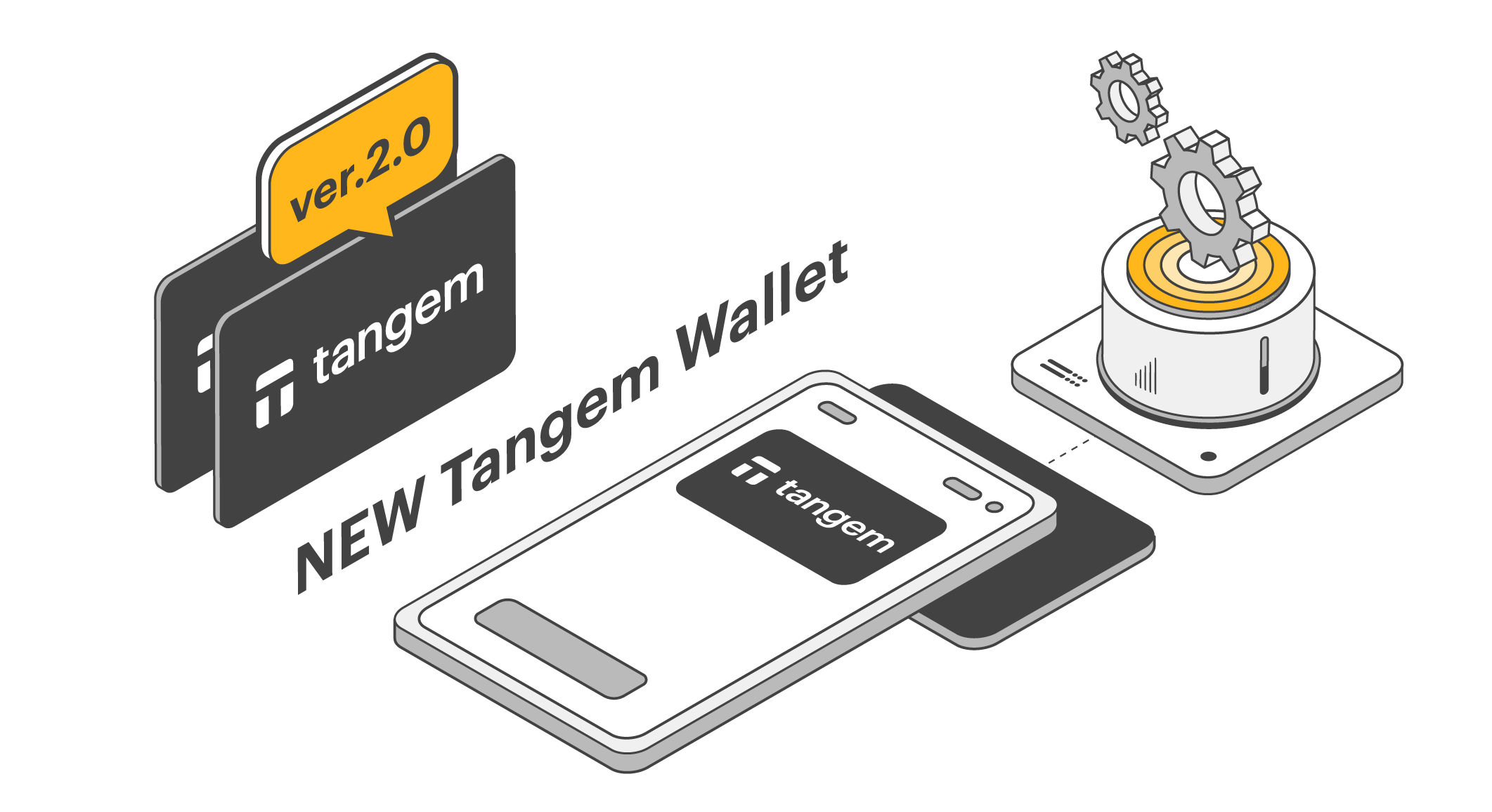
One device I kept returning to during testing was sleek, thin, and had a reassuring weight to it. It felt like a credit card substitute that paid attention to cryptography. I’m not naming every brand here, but if you want a practical pointer, try researching “tangem” for a clear example of a tap-and-go card wallet that blends simplicity with security. That card family shows how NFC-first wallets can scale to mainstream use cases while keeping keys isolated.
Wow!
Firmware updates and supply-chain trust are things you should think about. Cards need secure update mechanisms; otherwise vulnerabilities could linger. Being a bit paranoid helps: verify vendor reputation, read up on audits, and prefer open reviewable processes if you care about maximum transparency. My trust meter is high when a company invites audits and publishes change logs—transparency breeds confidence, even if it bugs some companies.
Seriously?
Yes: the little details matter. Does the card require a bridge app? How does it sign multi-sig transactions? Can it work with cold card setups or dedicated watch-only wallets? These are technicalities that affect daily life and long-term safety, and you should map them to your own threat model before committing. On one hand you might want full autonomy; on the other, convenience sometimes wins.
Hmm…
Price is another real-world factor. Card wallets are often cheaper than full-featured hardware devices, which lowers the barrier to entry. That said, cheapness can also be a red flag if it comes with opaque supply chains or sparse documentation. I bought a budget card once and had to chase down support emails, which was annoying and slowed me down—so caveat emptor.
Whoa!
For everyday users who just want to hold and spend crypto, card wallets are an intuitive step. They bridge the gap between “cold storage” and “hot wallet” convenience in a way that feels natural to people who already carry cards. However, big-value custody still benefits from layered security like multisig spread across devices and locations. I’m not telling you to put everything on one card; that would be reckless.
Wow!
Integration with custodial and non-custodial services is improving, and the user experience is getting smoother. You can pair a card with burn-once wallets, multi-account setups, and watch-only backends for added oversight. Initially I thought pairing would be fragile, but repeated testing showed it can be reliable if you follow the vendor’s steps. Still, be prepared for occasional Bluetooth or NFC hiccups—phones are messy ecosystems.
Seriously?
Seriously: consider how you will recover funds if the card is lost or damaged. Create multiple encrypted backups or use Shamir’s Secret Sharing if you want fancy redundancy. On the other hand, simple paper backups stored in multiple geographic locations work fine for many people; the trick is redundancy plus tested recovery, not just theory. Try a dry run of your recovery plan and make sure you can restore without sweating bullets.
Hmm…
I’ll be honest: this part bugs me—some vendors market “unhackable” cards like they’re magic. Nothing is unhackable; it’s all trade-offs, layers, and honest engineering. I’m biased toward products that explain failure modes openly and help users design sensible backup strategies. If a company hides how things work, treat that as a warning sign rather than a feature.
Whoa!
So where does that leave a curious user? If you want a secure, convenient way to use crypto day-to-day, a card wallet is worth trying. It reduces device clutter and nudges people toward safer habits without huge friction. But don’t treat it as a silver bullet—combine it with good backups, multi-factor thinking, and periodic checks of vendor updates.
Wow!
Personally, I keep one card for everyday spending and a separate multisig arrangement for long-term holdings. That division makes me sleep better and keeps my wife happy with how tidy my setup is. (Yes, domestic harmony is a factor for many of us.) If you care about portability and normal-looking wallets, card-based solutions deliver.
Seriously?
Seriously: test before you trust, read the small print, and practice recovery. On one hand there’s a lot to like about cards; though actually, if you prioritize maximal security for very large sums, combine cards with other independent hardware devices. Mix and match—don’t go all-in on one approach unless you’ve stress-tested it thoroughly.
Should you try a card wallet?
If you want simplicity and good security, try a card wallet as part of a broader plan. I’m not saying it’s perfect—nothing is—but for people who want practical custody with minimal fuss, it’s a strong candidate. Keep backups, check compatibility, and favor vendors who publish audits and clear documentation. And remember: user behavior matters as much as technical design, so treat your card like cash and then some…
Frequently asked questions
Is a card wallet as secure as a traditional hardware device?
It depends. Card wallets can offer comparable security because they use secure elements and isolated signing, but real-world safety hinges on vendor quality, firmware update procedures, and your backup discipline. For very large holdings, consider multi-layered strategies like multisig across different device types.
What happens if the card is lost or damaged?
You recover with whatever recovery method you set up: seed phrases, Shamir shares, or custodial recovery depending on the product. Always test recovery ahead of time and keep at least one offline, geographically separated backup. Practice once—it’s worth the fuss.
Where can I learn more or see examples?
Look into card-first wallets and read vendor docs and community audits; one approachable example to start with is tangem, which shows how NFC card wallets can work for everyday crypto use while keeping keys offline.